Why You Have Knee Pain When Squating
Why Do Your Knees Hurt When You Squat?
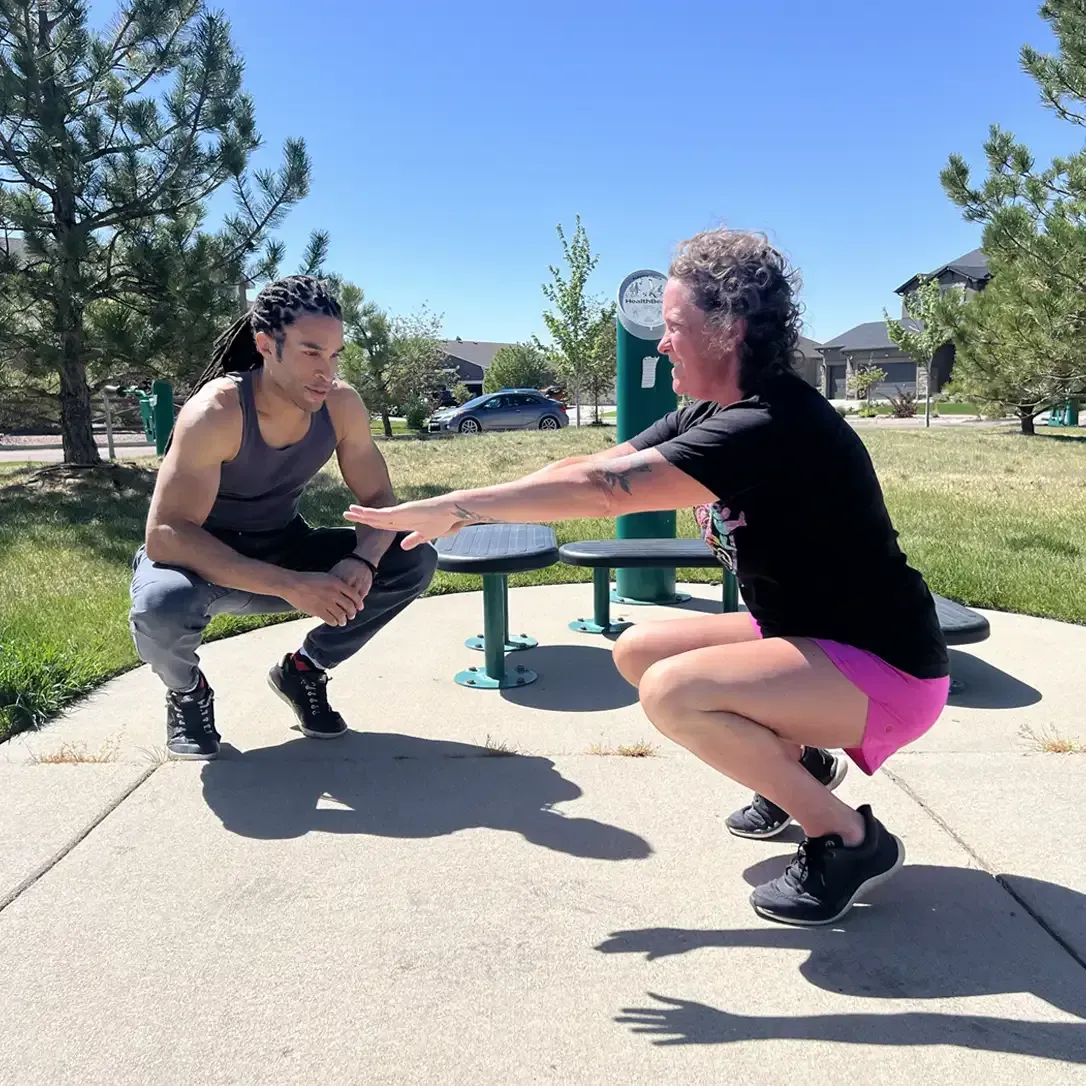
Squatting is one of the most natural movements humans perform. We squat to sit, stand, pick things up, climb stairs, and play sports. So if your knees hurt every time you squat, your body is trying to tell you something.
The good news? Knee pain during squatting is often treatable, and the painful area is not always the actual source of the problem.
1. What Causes Knee Pain
Many people assume knee pain means something is wrong with the knee itself, but the body rarely works that simply.
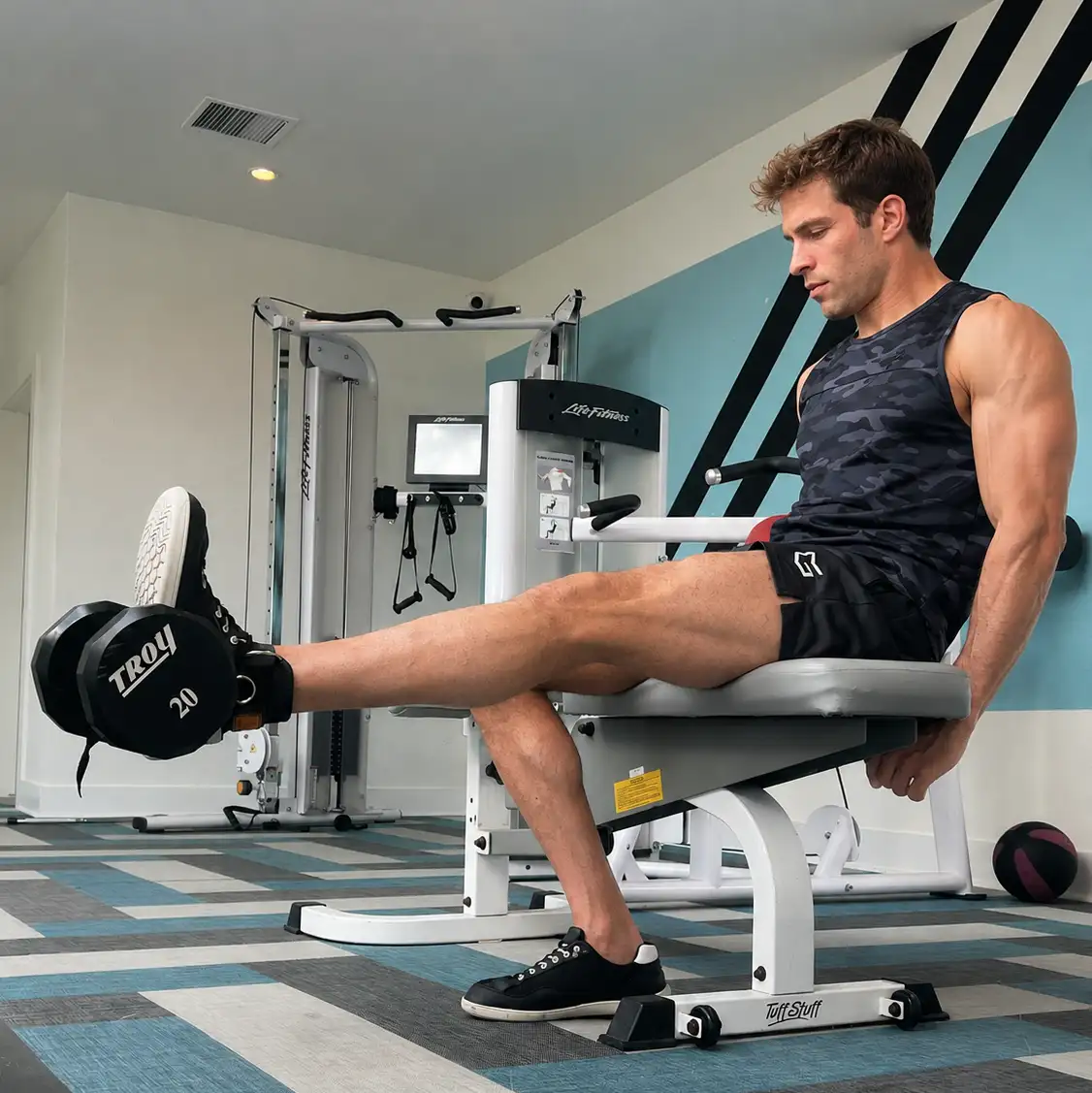
Pain during squatting can be caused by:
Limited ankle mobility forcing the knee to compensate.
Weak or poorly coordinated hip muscles changing knee position.
Reduced strength in the muscles that support the knee.
Previous injuries that altered movement patterns.
Training errors such as doing too much too soon.
In many cases, the knee is simply the area experiencing the stress rather than the source of it.
2. Why Conventional Approaches has not Worked for your Knee Pain
Many people spend months or years trying ice, rest, anti-inflammatory medications, braces, stretching, or avoiding squats altogether.
These approaches may temporarily reduce symptoms, but they often fail to address why the knee became overloaded in the first place.
If ankle mobility, hip strength, movement mechanics, or tissue capacity remain unchanged, the pain often returns as soon as activity resumes.
3. Common Mistakes when dealing with Knee Pain
ome of the most common mistakes include:
Completely avoiding squatting movements.
Stretching the painful area endlessly without addressing strength deficits.
Assuming pain automatically means damage.
Treating only the knee when the issue may originate elsewhere.
Returning to activity too quickly after symptoms improve.
Pain is useful information, but it doesn't always point directly to the problem.
4. What actually helps rebuild your knee
Successful treatment usually involves identifying and addressing the factors increasing stress on the knee.
This may include:
Improving ankle mobility.
Building hip and glute strength.
Gradually strengthening the tissues around the knee.
Improving squat mechanics.
Progressively returning to activities your body can tolerate.
The goal is not simply reducing pain. The goal is building a stronger and more resilient system that can handle the demands you place on it.
5. Are you ready to start rebuilding your knees?
If knee pain is limiting your workouts, hiking, running, martial arts, or simply getting up from a chair, it may be time for a different approach.
At Peak Recovery Therapy, we combine hands-on treatment with corrective exercise and movement assessment to identify why your knee is being overloaded and develop a plan to address it.
Instead of simply treating symptoms, our goal is to help you move better, recover faster, and get back to the activities you enjoy.